
Multi-modal transportation, supply chain coordination, and cargo execution through a verified global network of operators.
Global Logistics. Structured. Controlled. Executed.
Logistics execution is performed through third-party operators coordinated within a unified control framework. Each shipment is coordinated, controlled, and optimized at every stage — from origin to final delivery — ensuring alignment between cost, timing, and risk exposure.
Efficient Transportation
Diverse Cargo Handling
Vessel Chartering
Supply Chain Management
Global Logistics Infrastructure
Execution through a controlled network of operators and partners
Quattro Constructions operates through a structured global logistics network built on verified carriers, terminal operators, and regional infrastructure partners.
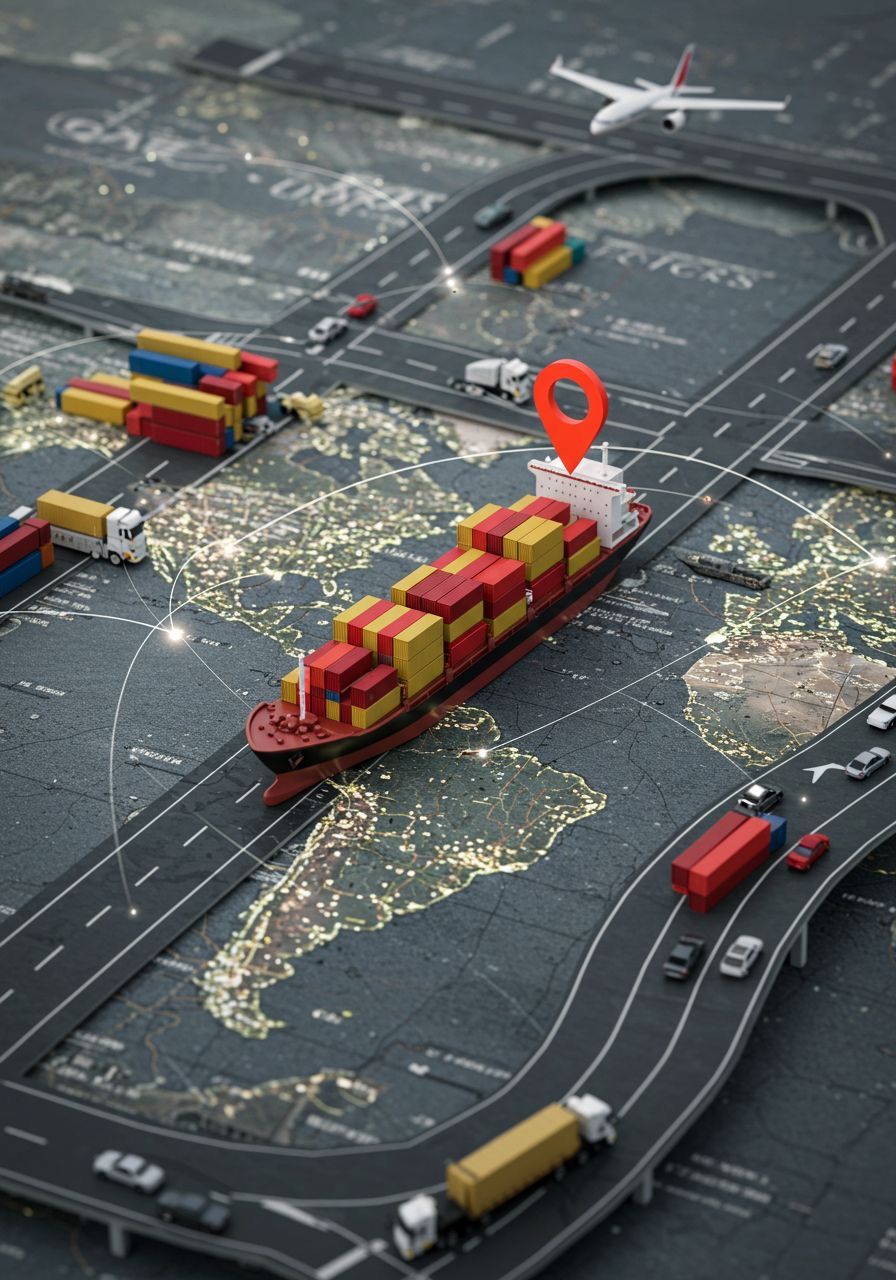
Execution is coordinated across all major transport channels, integrating road, sea, air, and rail into a unified operational framework without direct asset ownership.
Cargo categories include:
- energy resources (oil, gas)
- metals (ferrous and non-ferrous)
- vehicles
- perishables
- chemicals
- high-value assets
Vessel chartering is arranged through direct access to shipowners and maritime brokers, allowing flexible structuring of capacity without intermediary layers.
Supply chains are not executed internally but coordinated across multiple operators, ensuring continuity, accountability, and controlled execution at every stage.
Warehousing and storage are provided through certified third-party facilities, selected based on cargo type, region, and operational requirements.
Customs handling is coordinated with licensed brokers to ensure regulatory compliance and uninterrupted cross-border movement.
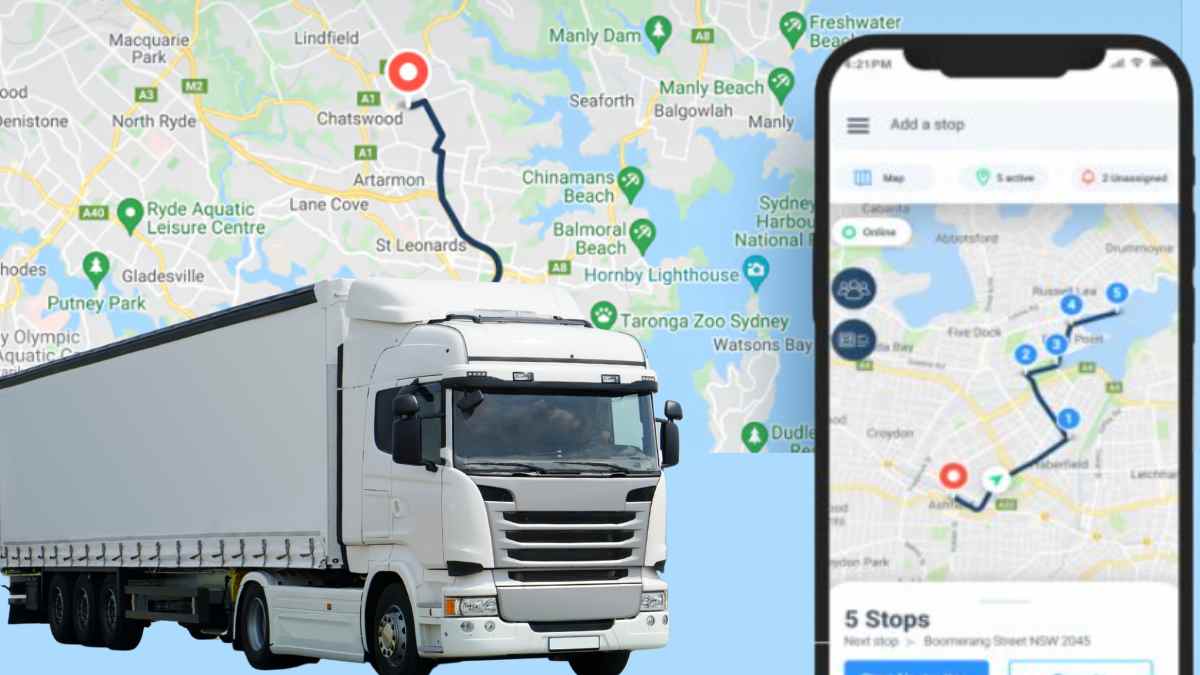
Route planning, risk control, and execution monitoring are centralized, allowing real-time visibility and structured decision-making across all logistics stages.
Insurance coverage is structured through global partners, aligned with cargo type, jurisdiction, and operational risks.
Regional teams ensure alignment with local infrastructure, legal frameworks, and execution standards.

Multi-Modal Transport Coordination
Transportation is structured using a multi-modal approach, combining road, sea, air, and rail through selected carriers and logistics partners.
Each shipment is analyzed individually, with transport modes coordinated based on:
- delivery timelines
- cost structure
- cargo sensitivity
- geopolitical and environmental conditions
Integration between transport stages is controlled to eliminate delays and ensure continuity across all transitions.
Air freight is coordinated for time-critical shipments.
Sea transport is structured for volume efficiency.
Road and rail are used for regional distribution and last-mile execution.
Cargo Handling Coordination
Controlled execution across specialized operators
Cargo handling is executed through specialized partners selected based on cargo type, regulatory requirements, and operational conditions.
Handled categories include:
- oil and gas shipments
- industrial metals
- vehicles
- perishables
- chemical materials
- high-value assets
Each category is assigned to operators with relevant certifications, infrastructure, and handling protocols.
Sensitive cargo is managed through controlled environments, ensuring stability and compliance across all transit stages.


Direct access to maritime capacity through structured agreements
Vessel Chartering
Vessel chartering is arranged through direct relationships with shipowners and maritime intermediaries, enabling flexible access to capacity without fixed asset commitments.
Charter structures include:
- short-term charters
- long-term agreements
- project-based capacity allocation
Each charter is structured based on cargo requirements, route conditions, and operational priorities.
This model enables:
- cost control
- scheduling flexibility
- optimized capacity utilization
Supply Chain Management
Centralized control across distributed execution layers
Supply chains are structured as coordinated systems involving multiple operators, rather than a single execution layer.
Operations include:
- procurement coordination
- transport alignment
- storage and distribution
- final delivery integration
All stages are managed within a unified control framework, reducing fragmentation and increasing operational transparency.
Real-time monitoring enables proactive adjustments and structured response to disruptions.


Secure third-party infrastructure aligned with cargo requirements
Warehousing & Storage
Storage solutions are provided through certified third-party facilities selected based on cargo characteristics and geographic requirements.
Facilities support:
- temperature-sensitive goods
- high-value assets
- bulk storage
All environments are monitored, secured, and integrated into the overall logistics framework.

Customs Handling & Compliance
Customs processes are coordinated through licensed brokers and regional partners, ensuring compliance with local and international regulations.
Documentation, clearance, and regulatory procedures are structured to avoid delays and ensure uninterrupted cargo flow.

Route Optimization
Routing strategies are developed using real-time data, risk analysis, and operational modeling.
Key factors include:
- cost efficiency
- delivery timelines
- geopolitical risks
- environmental conditions
Execution is continuously adjusted to maintain optimal performance.
Cargo Tracking & Risk Management
Real-time tracking systems provide visibility across all transport stages through integrated partner systems.
Risk management protocols enable early detection of disruptions and controlled response strategies.
Insurance Coordination
Insurance coverage is structured through global insurance partners based on cargo type, jurisdiction, and risk exposure.
Coverage models are aligned with operational conditions to ensure financial protection across all stages.
Regional Expertise & Compliance
Local teams ensure alignment with regional regulations, infrastructure, and market conditions.


Structured Logistics Starts with Controlled Coordination
Each operation begins with a clear request, followed by structured planning and controlled execution through verified partners.